

Nourish Your Mind: How What You Eat Affects Your Mental Health

Sakina Babat
August 20 , 2024

Did you know that your food doesn't just fuel your body—it can also shape your mood and mental health? It's true! The connection between nutrition and mental well-being is stronger than you might think. In this blog, we will dive into the fascinating world of how what you eat can impact your happiness and mental clarity. So grab a healthy snack, and let's get started!
The Brain-Gut Connection
Your brain and gut are besties, constantly chatting via the gut-brain axis. This communication superhighway means that what's happening in your gut can directly influence your mood, stress levels, and overall mental health. Your gut is home to trillions of bacteria—collectively known as the gut microbiome—that play a crucial role in your mental well-being.
When you nourish your gut with the right foods, you support the production of neurotransmitters like serotonin, the "feel-good" hormone. In fact, a whopping 90% of your body's serotonin is produced in the gut! This means that a happy gut can lead to a happier mind.

Photo by Brenda Godinez Team on Unsplash
Mood-Boosting Nutrients
Certain nutrients are particularly beneficial for your brain and mental health. Let's take a look at some of the key players:
1) Omega-3 Fatty Acids: Found in fatty fish like salmon, flaxseeds, and walnuts, omega-3s are essential for brain health. They help reduce inflammation and have been linked to lower rates of depression and anxiety.
2) B vitamins: B vitamins, particularly B12 and folate, are crucial for brain function. They help regulate mood and reduce the risk of mental health issues. These vitamins are found in leafy greens, eggs, and fortified cereals.
3) Antioxidants: Foods rich in antioxidants, such as berries, dark chocolate, and green tea, help protect your brain from oxidative stress. This can improve mood and cognitive function, keeping your mind sharp and happy.
4) Magnesium: Magnesium is a mineral that supports relaxation and stress reduction. It's found in foods like spinach, nuts, and whole grains. Low levels of magnesium have been linked to increased anxiety and depression.
5) Probiotics: These are the good bacteria that keep your gut healthy. Fermented foods like yoghurt, kefir, and sour cabbage are rich in probiotics. They can help maintain a balanced gut microbiome, which in turn supports mental well-being.

Photo by Jacopo Maiarelli Team on Unsplash
Sugar and Mental Health: The Not-So-Sweet Truth
While some foods can boost your mood, others can have the opposite effect. High-sugar diets, for instance, are known to contribute to mood swings, anxiety, and depression. When you consume sugar, it causes a spike in blood glucose levels, followed by a crash that can leave you feeling irritable and tired.
Reducing sugar and refined carbs can help stabilize your blood sugar levels, leading to more consistent energy and mood throughout the day. Instead of reaching for sugary snacks, try satisfying your sweet tooth with fresh fruits or a handful of nuts.

Photo by Denny Müller Team on Unsplash
The Power of a Balanced Diet
A balanced diet is vital to maintaining good mental health. This means including various foods that provide essential nutrients to support brain function. A diet rich in whole foods—think fruits, vegetables, lean proteins, and whole grains—can help keep your mood stable and your mind sharp.
The Mediterranean diet, in particular, has been praised for its mental health benefits. This diet emphasises fresh produce, healthy fats, and lean proteins, making it an excellent choice for your body and mind.
Mindful Eating: Nourishing Your Body and Mind
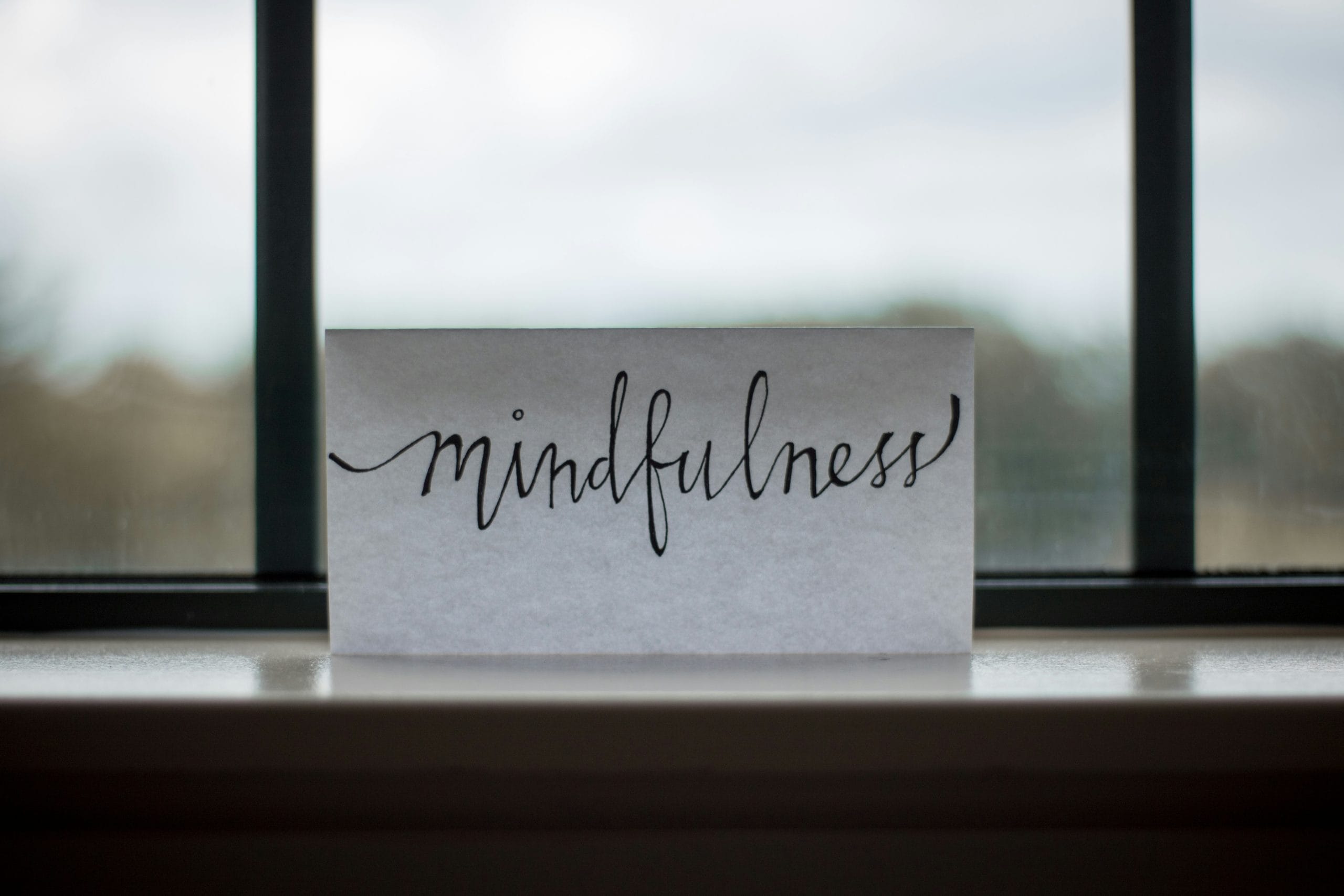
It's not just about what you eat, but how you eat. Mindful eating is all about being present and fully engaged during meals. It's about listening to your body's hunger and fullness cues and savouring each bite.
By practicing mindful eating, you can develop a healthier relationship with food, reduce emotional eating, and enhance your overall mental well-being. Take the time to appreciate your food's flavours, textures, and colours, and notice how it makes you feel—physically and emotionally.

Photo by Taylor Kiser Team on Unsplash
Building a Mental Health-Friendly Plate
Ready to start eating for a happier mind? Here's how you can build a mental health-friendly plate:
Fill Half Your Plate with Veggies: Vegetables are packed with nutrients that support brain health. Aim for various colours to ensure you get a wide range of vitamins and minerals.
Include Lean Protein: Protein helps produce neurotransmitters that regulate mood. Incorporate sources like chicken, fish, tofu, and beans into your meals.
Add Healthy Fats: Healthy fats, such as avocados, nuts, and olive oil, are essential for brain function. They also help keep you satisfied and full of energy.
Limit Processed Foods: Processed foods are often high in sugar, unhealthy fats, and artificial additives that can negatively impact your mood. Opt for whole, unprocessed foods whenever possible.

Photo by Maarten van den Heuvel Team on Unsplash
Final Thoughts: Nourish Your Mind, Nourish Your Life
Your mental health is closely tied to your food, so why not make every meal a step towards a happier, healthier mind? Choosing nutrient-rich foods and practising mindful eating can boost your mood, reduce stress, and enhance your overall well-being. As the saying goes,
“"Let food be thy medicine and medicine be thy food."”
-
So, let's make a conscious effort to nourish our minds with the best foods possible. Your future self will thank you!
For professional support, reach out to a therapist at Heart It Out today!


Keep Reading
















Started reading,
found my glow!
New blogs dropping soon – Sign up!
© EmbraceWell. All rights reserved