

Coping with the Emotional Toll of Climate Change Anxiety

Rakshitha Ramesh
January 19 , 2025

The headlines are impossible to ignore extreme weather events, rising temperatures, and warnings about environmental collapse. For many of us, climate change is no longer a concern for the distant future but rather an ever-present source of anxiety. Climate change anxiety, also known as eco-anxiety, is becoming increasingly relevant, especially for younger generations. But how does it affect our mental health, and what can we do to manage these feelings?
What is Climate Change Anxiety?
Climate change anxiety is a feeling of emotional distress caused by the fear of environmental collapse and uncertainty about the future of our planet. It may be expressed in feelings of helplessness, fear, anger, sadness, or even hopelessness. For some, the overwhelming realization of the damage that humans have done to the environment can be a source of chronic stress.
Although this anxiety stems from a right justification considering the global threat, it takes a serious hit on mental wellness if not corrected. You get overwhelmed by what seems to you as the extent of the calamity or unable to do something about the great global challenges; these feelings can be valid enough but do not control your life.
The Emotional Toll of Climate Change Anxiety
1. Chronic Stress and Fear
The increase in the occurrence of natural disasters and extreme weather phenomena causes much anxiety in most people. Ongoing news on wildfires, hurricanes, and floods often fills the mind with fear about the future. Such fear might lead to restless nights, failure to focus on other matters, or an overarching sense of doom over the planet's future.
The unknown of climate change can be scary. The reality of how fast our environment is deteriorating can be emotionally draining. When the media run on issues related to the climate, it feels like there is no reprieve from the constant stress.
2. Helplessness and Powerlessness
One of the most common emotions associated with climate change anxiety is helplessness. Many people believe that their individual actions are insignificant and cannot create a difference in the world. The scale of the crisis may overwhelm people to the point of feeling powerless in the face of environmental destruction.
This sense of powerlessness can breed a deep feeling of frustration. It's hard not to feel that personal actions, such as reducing personal carbon footprints or supporting environmental policies, will not make a difference. The question is often: "What can I do to stop something so massive?"
3. Depression and Emotional Numbness
Climate change anxiety can turn into depression for others. The grief of losing biodiversity, destroying ecosystems, and losing human life may be so agonizing. For some, the emotional numbness may serve as a coping mechanism, where people may shut down and become unresponsive to the feelings of hopelessness that overwhelm them.
The sorrow that one feels at what is occurring to the Earth can be an expression of grieving—the loss one feels for a world as we know it. Grief leads to emotional anesthesia or disconnection from others in order not to feel too much.
Recognizing the Signs of Eco-Anxiety
If you're feeling stressed or anxious about climate change, it’s important to recognize the signs early. These can include:
Constant worrying about the environment
Feelings of hopelessness about the future
Sleep disturbances or nightmares related to environmental crises
Avoidance of news or media coverage due to distress
Physical symptoms of anxiety, such as headaches or a racing heart
Recognizing these symptoms allows you to take proactive steps to manage your mental health. The good news is, there are strategies that can help you cope with the emotional toll of climate change anxiety.
How to Cope with Climate Change Anxiety
1. Acknowledge Your Feelings
The first and foremost step is to accept the fact that your feelings are real. It's natural to be anxious about the world around you. Recognizing and accepting the emotions instead of suppressing them is a great step towards dealing with anxiety.
The world is facing an unprecedented environmental crisis, and it’s okay to feel unsettled by it. Many people are experiencing similar emotions. You’re not alone in these feelings.
2. Limit Media Consumption
Let's be informed but also recognize the need to step back from news feed that may be fueling your anxiety. Witnessing more and more frightening images from natural disasters or reading articles on climate doom can overpower feelings. Set time limits on reading or watching news around climate change and refill life with other things that bring you happiness.
It's okay to step back for your mental health. Sometimes, it takes a step away from media or following uplifting, positive news outlets focused on solutions to find a much-needed balance.
3. Take Action—No Matter How Small
One of the best ways to manage eco-anxiety is to take action. This doesn't mean you have to change the world overnight, but small, manageable actions--like reducing your carbon footprint, supporting sustainable businesses, or joining local environmental efforts--can give you a sense of agency and purpose.
We regain control when we feel that we are doing something good. Making a commitment to sustainability in your own life—whether through lifestyle changes, volunteering, or advocating for policy reform—can help you feel empowered.4
4. Connect with Like-Minded Individuals
Try to join communities or support groups that share your concerns or ideas about climate change. Whether it is an online forum, environmental organization, or local group, connecting with others who have the same passion to make a difference helps reduce feelings of isolation and hopelessness.
It means not only receiving emotional support from your community but also getting hope. Collaboration can enhance the efforts, helping to revive the sense of belonging and purpose in life.
5. Practice Self-Care and Mindfulness
Create time to engage in such activities that release you and create emotional balance: yoga and meditation, time out in nature, journaling, or engaging with hobbies that find peace within yourself. We can best handle stress and anxiety when emotionally and physically maintained.
Self-care practices help in creating a mental space where you can recharge. Mindful activities help you stay in the present moment and remove the overwhelming thoughts about the future.

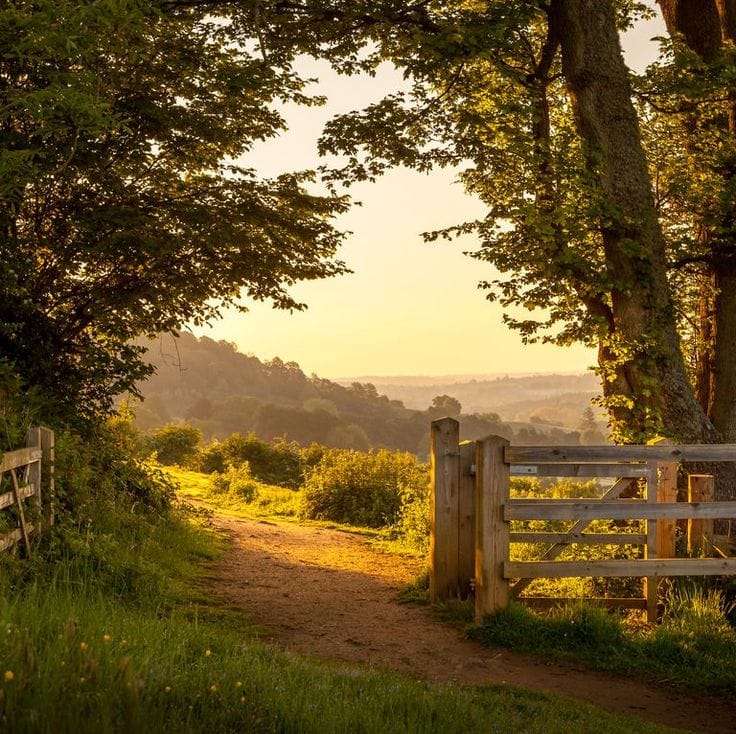
Photo by Kelly Sikkema Team on Unsplash
Seeking Professional Support for Eco-Anxiety
If the anxiety of climate change is interfering in your life or mental health significantly, then seeking professional help may be necessary. A therapist can help you make sense of your emotions, teach you ways of coping, and better prepare you on how to adapt to your emotional response to this crisis.
As part of my commitment to supporting mental health during these challenging times, I’m offering a free pro-bono therapy session for those who are struggling with eco-anxiety. If you’re finding it hard to cope with these emotions, don’t hesitate to reach out for support.
Moving Forward with Hope
While the anxiety surrounding climate change is understandable, it doesn't have to control your life. By taking steps to manage your anxiety, connect with others, and take meaningful action, you can regain a sense of hope and empowerment. Together, we can work to create a better future—both for ourselves and for the planet.
If you’re feeling overwhelmed by climate change anxiety, take the first step toward healing. Talk to a Mind Coach at Happy Minds to learn how to cope with the emotional toll and regain control over your mental well-being.

Photo by Nick Fewings Team on Unsplash


Keep Reading




























Started reading,
found my glow!
New blogs dropping soon – Sign up!
© EmbraceWell. All rights reserved