

Finding Solace and Strength Through Creative Expression
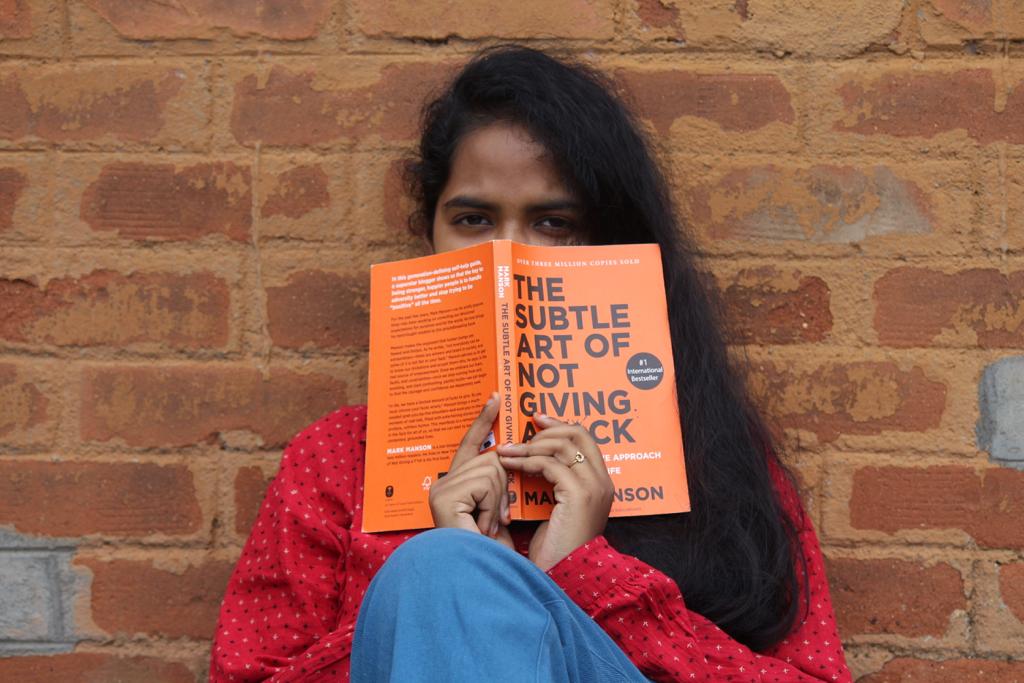
Samyuktha Saravanan
January 17 , 2025

Early Expressions
From a young age, I’ve been drawn to the expressive power of words. As a child, I spent hours creating stories and poems, not to write something "beautiful", but to express emotions that felt too big or too messy to contain. Anger, joy, confusion—they all found their way onto those pages, disguised as metaphors.
Looking back, those early scribbles were more than just a childhood pastime. They were a lifeline—a way to navigate my emotions. When words couldn’t fully capture what I felt, poetry became a way to explore those feelings.
Poetry was always part of me—not just a form of self-expression, but a tool for healing. Writing helped me confront emotions during times of stress, anxiety, or heartbreak, offering solace in ways I didn’t expect.
The Therapeutic Benefits of Art
Art is healing. Research supports this: art therapy is a recognised form of psychotherapy that uses creativity to help individuals explore their emotions, develop self-awareness, and manage stress. Here are key therapeutic benefits:
Emotional Release Creative activities offer a healthy outlet for pent-up emotions. Whether it’s releasing anger through music or finding peace in painting, art helps channel emotions constructively.
Improved Self-Esteem Creating something, whether a poem, painting, or even a meal, boosts confidence and fosters self-esteem. It reminds us of our ability to create beauty from our emotions.
Stress Reduction Art has a calming effect. Studies show that engaging in creative activities reduces anxiety, lowers heart rates, and improves overall well-being.
Increased Self-Awareness Creating art invites introspection. By exploring your inner world through art, you gain deeper insight into your thoughts, feelings, and behaviors.
Enhanced Communication Sometimes, words are not enough. Art offers a different language, allowing us to express emotions that might be difficult to verbalize. It fosters empathy and connection with others.

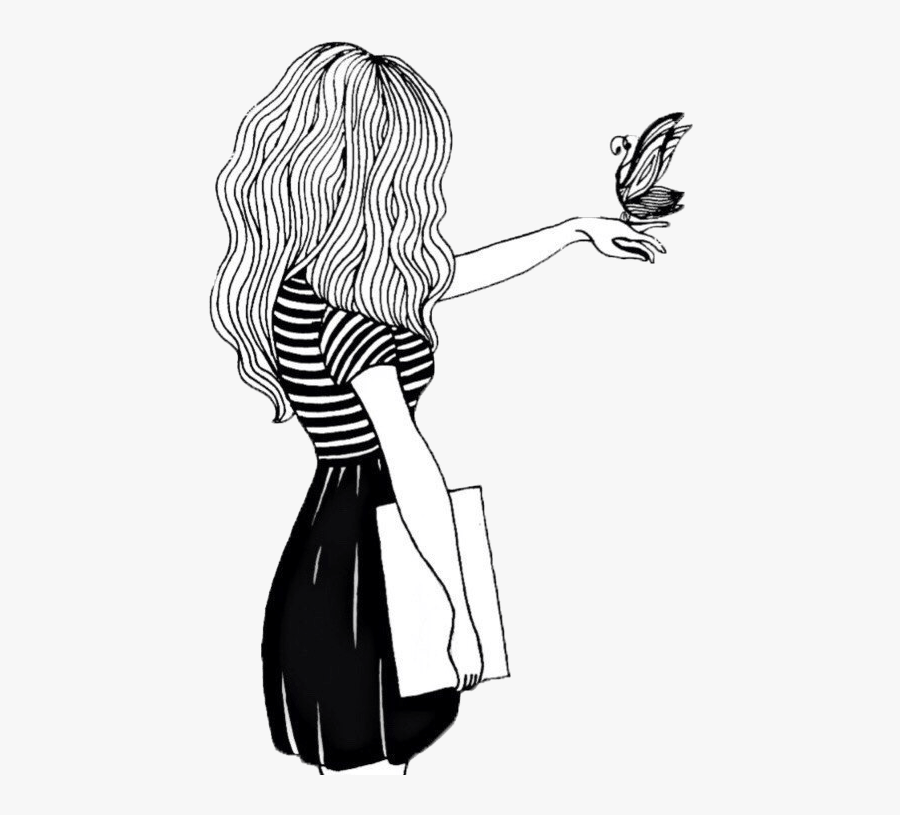
Photo by RhondaK Native Florida Folk Artist Team on Unsplash
Finding Your Creative Voice
Whether you’re an experienced artist or curious to explore creativity, engaging in art can improve your emotional well-being. Here’s how to start:
Experiment with Different Art Forms Try painting, writing, dancing, or even gardening. Explore what resonates with you.
Create a Dedicated Space for Creativity Find a quiet, inspiring space where you can freely express yourself.
Embrace Imperfection Art isn’t about perfection—it’s about the process. Enjoy creating without worrying about making it flawless.
Connect with Other Artists Join art groups or connect with creators online. Sharing your work can be enriching and supportive.
Remember, you don’t have to face emotional challenges alone. There are resources to help you. Visit "Heart It Out" for support and connect with skilled therapists who can guide you.
Art as a Path to Healing
Engaging in art isn’t just about creating something beautiful; it’s about healing and growth. Creative expression allows us to explore emotions that may otherwise stay hidden and offers space for self-discovery. Whether writing, painting, or another form of art, creativity can bring peace to your soul. As Pablo Picasso once said,
“ "Art washes away from the soul the dust of everyday life."”
-

Photo by Annie Spratt Team on Unsplash
Heal Through Art
For me, poetry has been a constant companion, offering solace and strength. Even in the darkest moments, creativity has shown me that beauty can be found, stories can be told, and emotions can be expressed.
I encourage you to start your own creative journey. Whether you pick up a pen, a paintbrush, or simply take a moment to express yourself, you may be surprised by what you discover. There are no rules—just the joy of creation.
Remember, you are not alone. If you're struggling with emotional challenges, please reach out for support.
Visit websites like “Happy Minds” and “Heart It Out” to learn more about mental health resources and find support groups.
Contact a mental health professional to discuss your concerns and explore effective coping strategies.
Let yourself heal through art and poetry, and let creativity guide you on your journey of self-discovery and healing.
Disclaimer: This blog post is for informational purposes based on personal experience and is not intended to replace professional medical advice.


Keep Reading




















Started reading,
found my glow!
New blogs dropping soon – Sign up!
© EmbraceWell. All rights reserved